Understanding Gold: Carats, Colour and Choosing a Metal That Lasts
-
Understanding Gold
Carats, Colour and Choosing a Metal That Lasts
Gold is the material most people think they understand until they go to buy something made to last a lifetime. Then the questions start. What does the carat number actually mean? Why is one ring more expensive than another that looks the same? Will the colour change? Is white gold worth the upkeep?
These are good questions, and the answers shape how a piece wears, ages and holds its value. Here's how we think about gold, and how to choose well.
-
-
What carat actually means
Carat (ct) measures the purity of gold, not its weight. Pure gold is 24ct, but in its pure state it's soft enough to bend with your hands, which makes it impractical for anything you wear daily. So gold is alloyed with other metals to give it strength, durability and colour.
The carat number tells you how much pure gold is in the mix:
• 9ct is 37.5% pure gold
• 10ct is 41.7% pure gold
• 14ct is 58.5% pure gold
• 18ct is 75% pure gold
In Australia, 9ct and 18ct gold are the most commonly used standards. In contrast, 14ct gold is more popular in the USA. While 10ct gold is available, it is typically found in mass-produced jewellery, where the lower gold content is used to keep costs down. For this reason, it is not a standard we offer.
-
The character of each alloy
More pure gold isn't automatically "better". Each standard has a personality, and the right choice depends on how a piece is worn.
9ct gold has the lowest gold content of the common standards, which makes it hard, durable and more affordable. It's a wonderful, hard-wearing metal that we use and sell a great deal of, with a slightly cooler tone that suits a lot of designs beautifully.
18ct gold is where pure gold's warmth really shows. It has a deep, buttery yellow that 9ct can't replicate, it's naturally more resistant to tarnish, and it carries genuine commercial value because three-quarters of the metal is gold. It's softer than 9ct, so it asks for a little more care, but for heirloom pieces it's the standard we return to again and again.
14ct sits in the middle, a sensible balance of colour, durability and value that explains its popularity in the US.
-
A note on colour
Yellow, white and rose gold all start from the same pure gold. The colour comes from what's mixed in.
Yellow gold is the most traditional, alloyed with metals that preserve gold's natural warmth.
Rose gold gets its blush from a higher proportion of copper. It's a warm, romantic tone with enduring appeal.
White gold is alloyed with white metals to mute gold's yellow, then finished with rhodium plating, a thin, bright, hard-wearing layer that gives white gold its crisp, silvery finish.
-
-
Maintaining white gold and rhodium plating
This is the most common surprise for first-time white gold buyers, so it's worth being clear: rhodium plating is a surface finish, and surface finishes wear.
Over time, depending on how often a piece is worn and what it comes into contact with, the rhodium gradually thins and the slightly warmer tone of the white gold beneath begins to show through. This is normal and expected, not a fault. The fix is simple: the piece is re-plated, and it looks brand new again.
How often depends entirely on wear. A ring worn every day on a hand that's constantly in use will need re-plating more frequently than earrings or a pendant. If you love the bright white look, plan for occasional re-plating as part of owning the piece. If the idea of upkeep doesn't appeal, platinum (more on that below) holds its colour without plating.
-
Recycle your old gold
Our recycled gold
We work predominantly with recycled gold. It carries the same purity, the same hallmark and the same enduring value as newly mined gold. The difference is the footprint behind it. Choosing recycled gold means we can offer heirloom-quality pieces without drawing on freshly mined material, which sits at the heart of how we've made jewellery from the beginning.
-
-
Shop Engagement Rings
What sets our engagement rings apart
Our engagement ring bands are made from a speciality gold, machined to reach the highest level of wearability. This is one of the less visible but most important differences in how our rings are made. The metal is engineered and finished to stand up to a lifetime on a hand that's used for everything.
It's an expensive way to make a band, and a slow one. But an engagement ring is the single piece most likely to be worn every day for decades, and it deserves to be built for that. This is a large part of what sets our engagement rings apart from pieces that look similar on a screen but aren't made to the same standard.
Our Orbit ring is made in this same way. That makes it an exceptional wedding band, designed to sit alongside an engagement ring and wear at the same rate, with the same durability built in.
-
Platinum
Platinum is a beautiful metal with two standout qualities. It's exceptionally hypoallergenic, which makes it a wonderful choice for earrings and for anyone with sensitive skin. And its naturally white colour never needs rhodium plating. What you see is the metal itself, all the way through.
The one consideration is weight. Platinum is dense, so total weight matters, particularly for earrings, where a heavy piece can become uncomfortable over a long day or pull on the ear over time. We factor total weight carefully into any platinum design so a piece feels as good as it looks.
-
Why we recommend pairing the same metals
If you wear two rings side by side, an engagement ring and a wedding band, or a stacked set, we recommend keeping them in the same metal.
Different metals have different hardnesses, which means they wear at different rates. When a harder metal sits against a softer one, the harder piece slowly wears into the softer, and over years that shows. Pairing the same materials together means both pieces wear evenly, age together and protect each other rather than working against one another.
-
Our alloy mixes and avoiding nickel
The metals mixed into gold matter as much as the gold itself, particularly for skin sensitivities. Nickel is a common alloying metal in mass-produced jewellery and a frequent cause of skin reactions. We formulate our alloys to avoid nickel, so our pieces are gentle on sensitive skin without compromising on strength or colour.
For anyone who has reacted to jewellery in the past, this is one of the reasons our pieces sit comfortably.
-
Explore personalised collection
Heirloom material with real value
There's a meaningful difference between jewellery that's merely decorative and jewellery made from material with genuine commercial value. Solid gold and platinum hold worth in the metal itself.
Combined with construction built to last, that's what makes a piece a true heirloom: something that can be worn for decades, passed down, and still hold both sentimental and material value generations later. That's the standard we make.
-
Featured Collection
-
-
Tiny Graduating Tennis Necklace Round Lab-Grown Diamond NecklaceRegular price From $3,190Price on Application
-
-
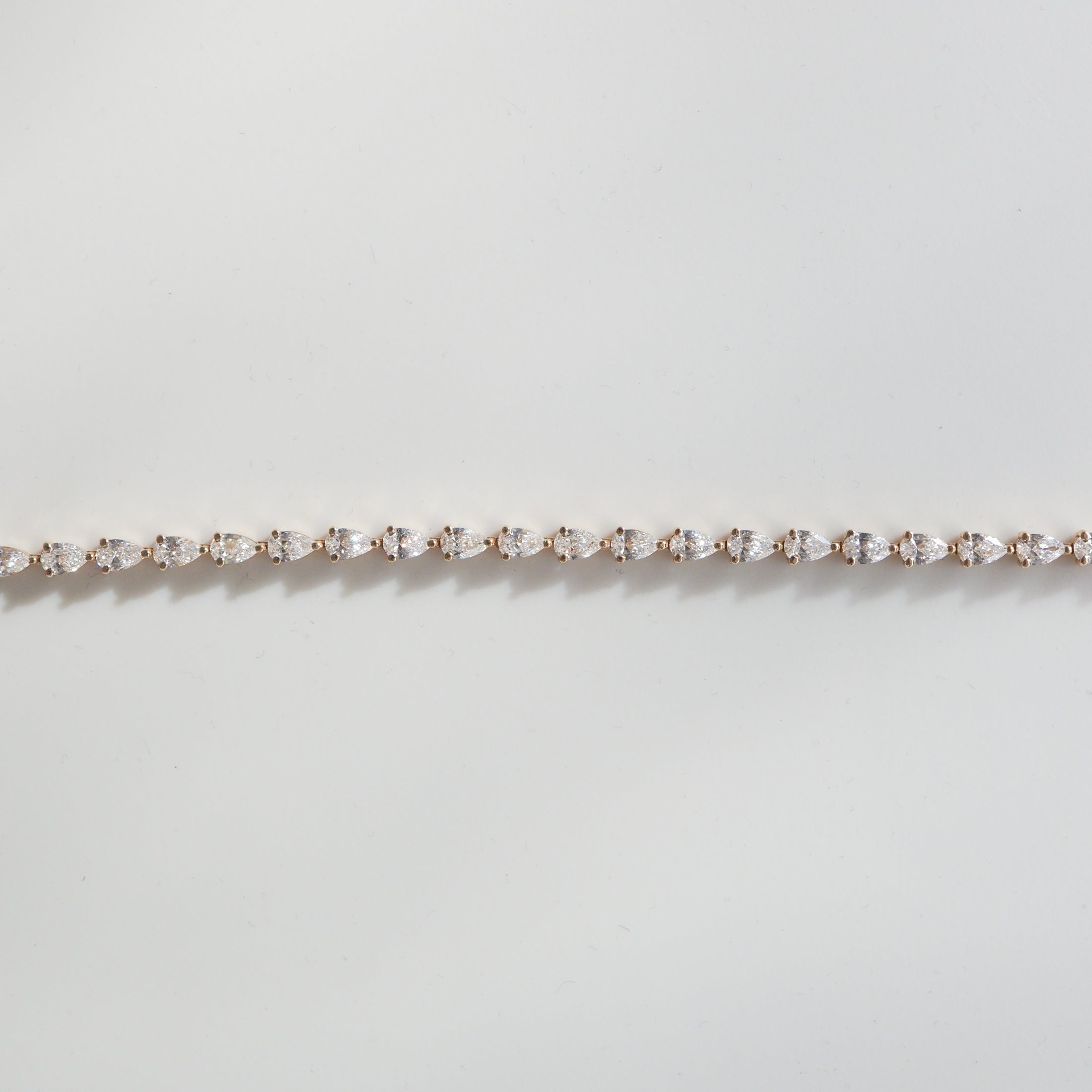
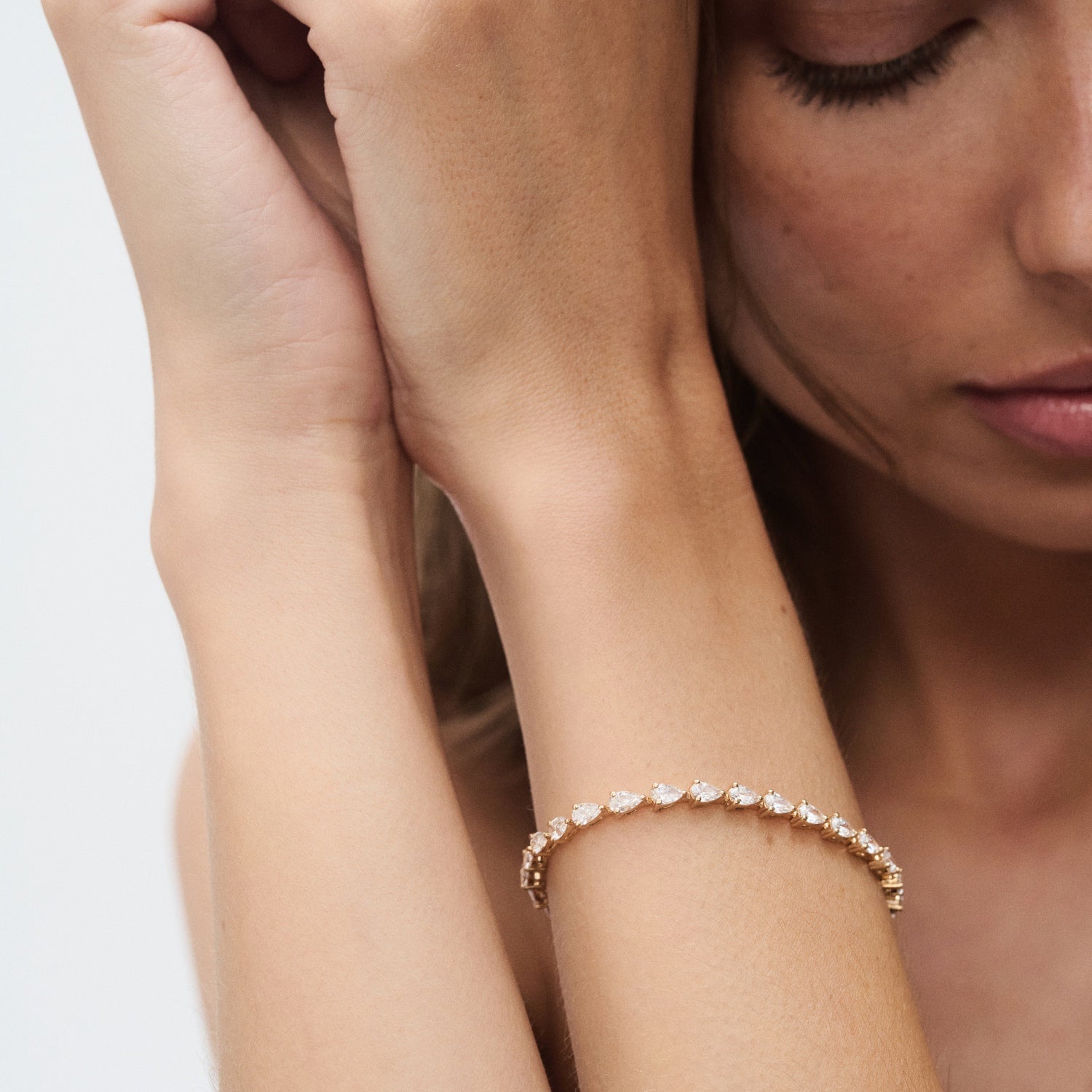
Pear Tennis Bracelet Pear Lab-Grown Diamond BraceletRegular price From $7,520Price on Application
-
Tennis Bangle Round Lab-Grown Diamond Flexible BraceletRegular price $5,990Price on Application
-
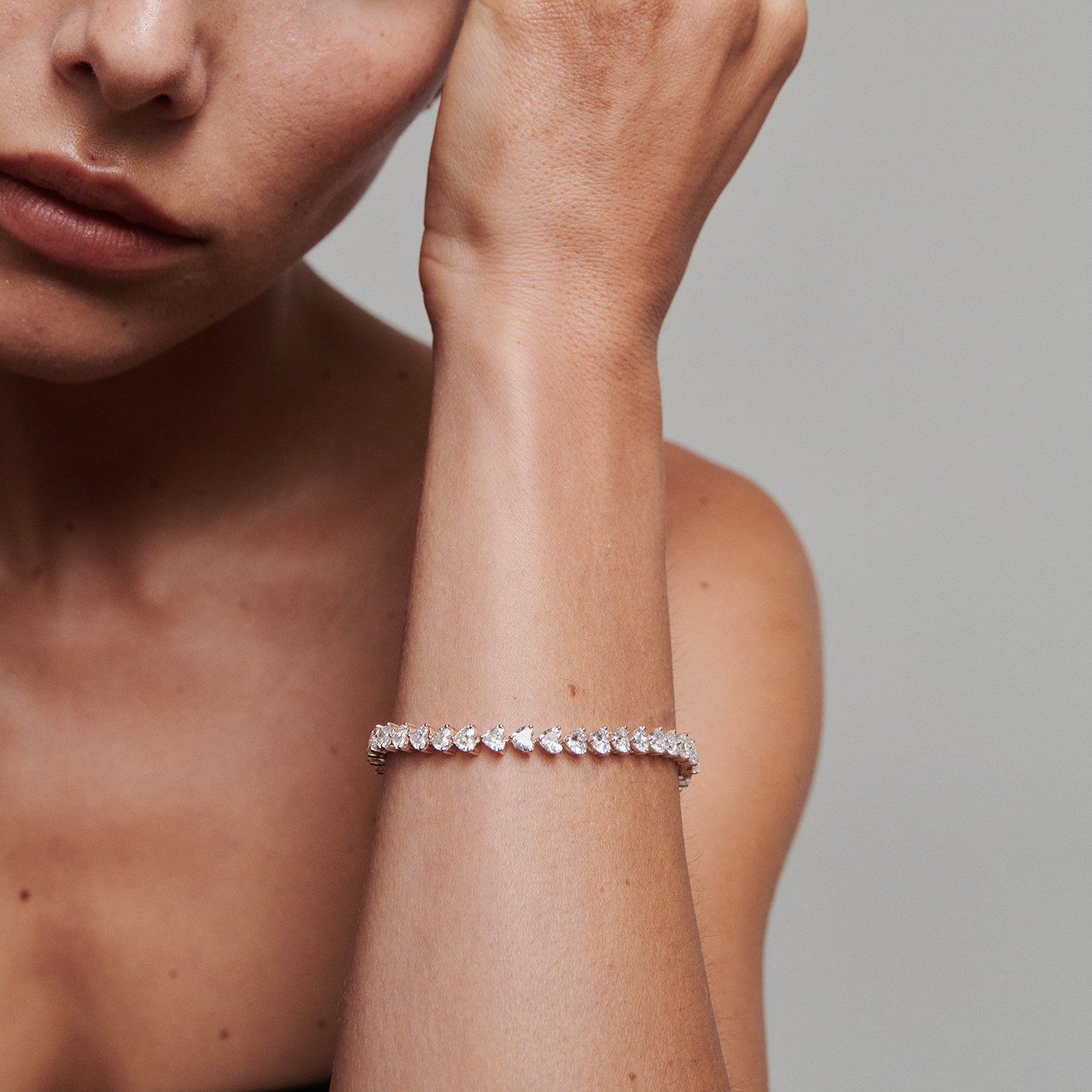
Heart Tennis Bracelet Heart Lab-Grown Diamond BraceletRegular price From $13,290Price on Application
-
-
Tennis Necklace 10.83ct Round Lab-Grown Diamond NecklaceRegular price $15,990Price on Application
-
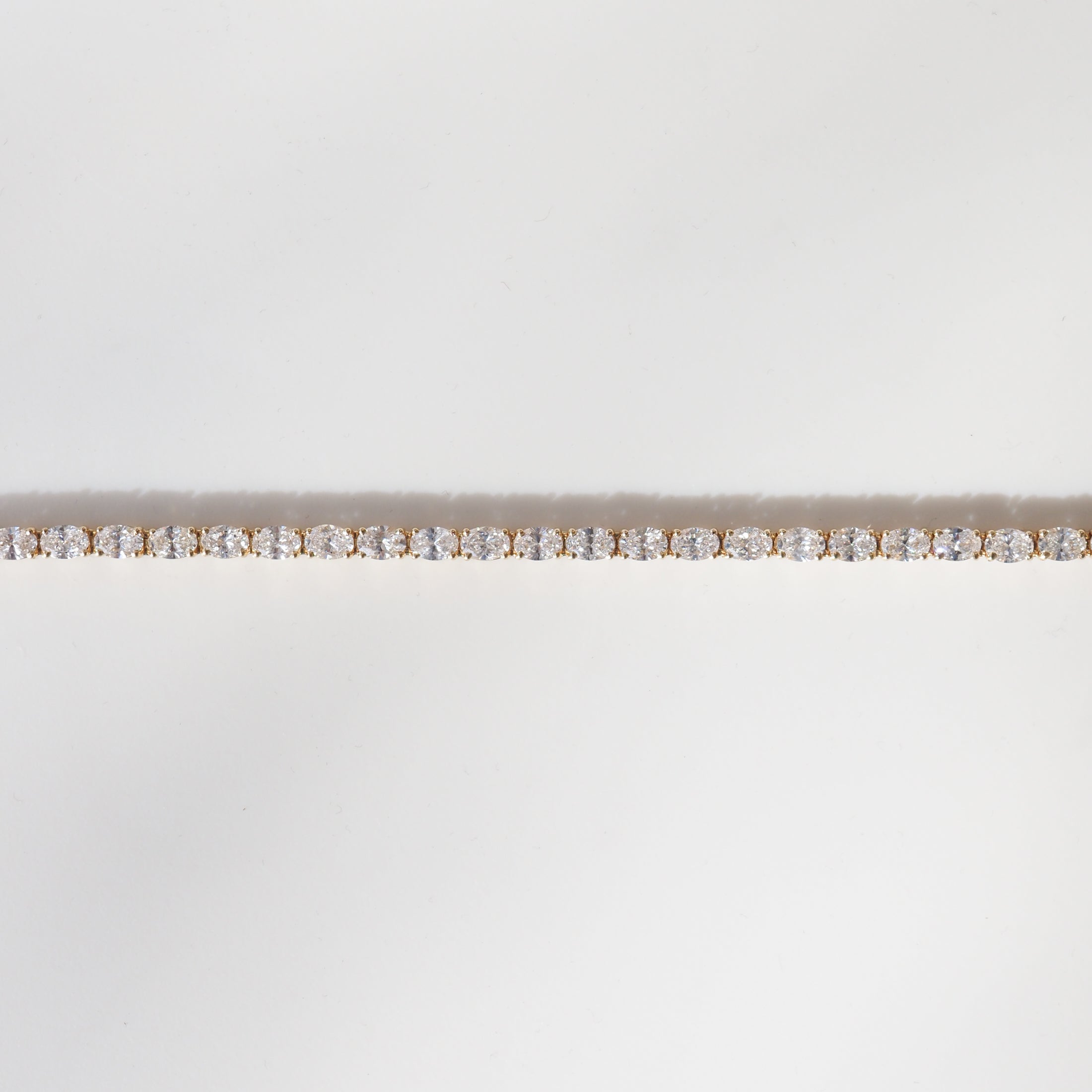
Oval Tennis Bracelet Oval Lab-Grown Diamond BraceletRegular price From $10,290Price on Application
-
Tennis Necklace 6.7ct Round Lab-Grown Diamond NecklaceRegular price $12,090Price on Application
-
-
Tennis Earrings Princess Lab-Grown Diamond Drop EarringsRegular price From $8,790Price on Application
Featured Blogs
-
Education Which Appointment Type Is Right For You? Read more
-
Education What to Do With Old Jewellery You Don't Wear Anymore Read more
-
Collections • Education Why a tennis bracelet is where lab-grown diamonds make perfect sense Read more
-
Ceremonial • Education The Clara Proposal Ring Read more
-
Education Should I buy a Lab Grown or Natural Diamond? Read more
-
Craft • Education Why your gold jewellery costs more than it did last year, and what's causing these changes Read more