How to Build a Jewellery Wardrobe from Scratch
Start with your metal, and stay there
Before buying a single piece, decide on a base metal, and commit to it for your everyday pieces. This is the single most important decision in building a jewellery wardrobe, because it determines whether your collection looks curated or accidental.
Yellow gold, white gold and rose gold each read differently against different skin tones and different wardrobes, but the bigger issue is practical. Mixing metals on pieces you wear together isn't just a style call, it affects how the jewellery wears. Different metals have different hardnesses, so when they sit against each other, the harder metal slowly wears into the softer one over years of contact.
That doesn't mean your whole collection has to be one metal forever. It means your everyday layer, the pieces that go on every morning without a second thought, should be consistent. Statement pieces and occasion jewellery can introduce a second tone later, once the foundation is settled.
If you're unsure which gold tone suits you, our guide to understanding gold breaks down carats, colour and how each one wears over time.
The five foundation pieces
Every jewellery wardrobe needs a base layer, the pieces you reach for without thinking. These are the stars, so they're worth spending your budget on first, in solid gold rather than plated alternatives that won't hold up to daily wear.


Get these five right, in a consistent metal, and you already have a wardrobe that works on its own before a single extra piece is added.
Then layer, don't collect at random
Once the foundations are in place, the next layer is about addition, not replacement. This is where a jewellery wardrobe starts to feel personal rather than generic.


Buy quality over quantity, every time
A jewellery wardrobe built from ten pieces you actually wear will always outperform one built from thirty pieces sitting in a drawer. This comes down to two things, material and construction.
Solid gold and platinum carry genuine value in the metal itself, unlike plated pieces, which wear through and can't be repaired the same way. That value compounds over decades, which is what turns a piece from decorative into a true heirloom, something that can be worn, repaired, resized and eventually passed down.
Construction matters just as much as material. A well made clasp, a properly set stone, and metal that's been finished to withstand daily contact are the difference between a piece you wear for thirty years and one that needs replacing in three. This is a large part of why we build the way we do, working predominantly in recycled gold and finishing every piece by hand.
If you have sensitive skin, look for nickel-free alloys across your foundation pieces in particular, since these are the ones in contact with your skin the most.
What to do with what you already have
Most people don't start a jewellery wardrobe from a completely empty drawer. Before buying anything new, it's worth sorting through what's already there.
Separate what you actually wear from what you don't. Old gold that no longer suits your taste, mismatched pieces from past relationships, or jewellery that's simply out of style can be remodelled, repurposed or traded in toward something new. If a stone means something to you but the setting doesn't, using your own stone in a new design is one of the more meaningful ways to start building the wardrobe you actually want.
Build it with us
If you'd rather talk it through than work it out alone, our concierge team can help you map out a jewellery wardrobe suited to your lifestyle, your metal preference and your budget, one piece at a time. Whether that starts with a single pair of studs or a fully bespoke piece, we're happy to help you build something that lasts.
Book an appointment or explore our Fine Jewellery collection to get started.
Our Favourites
-
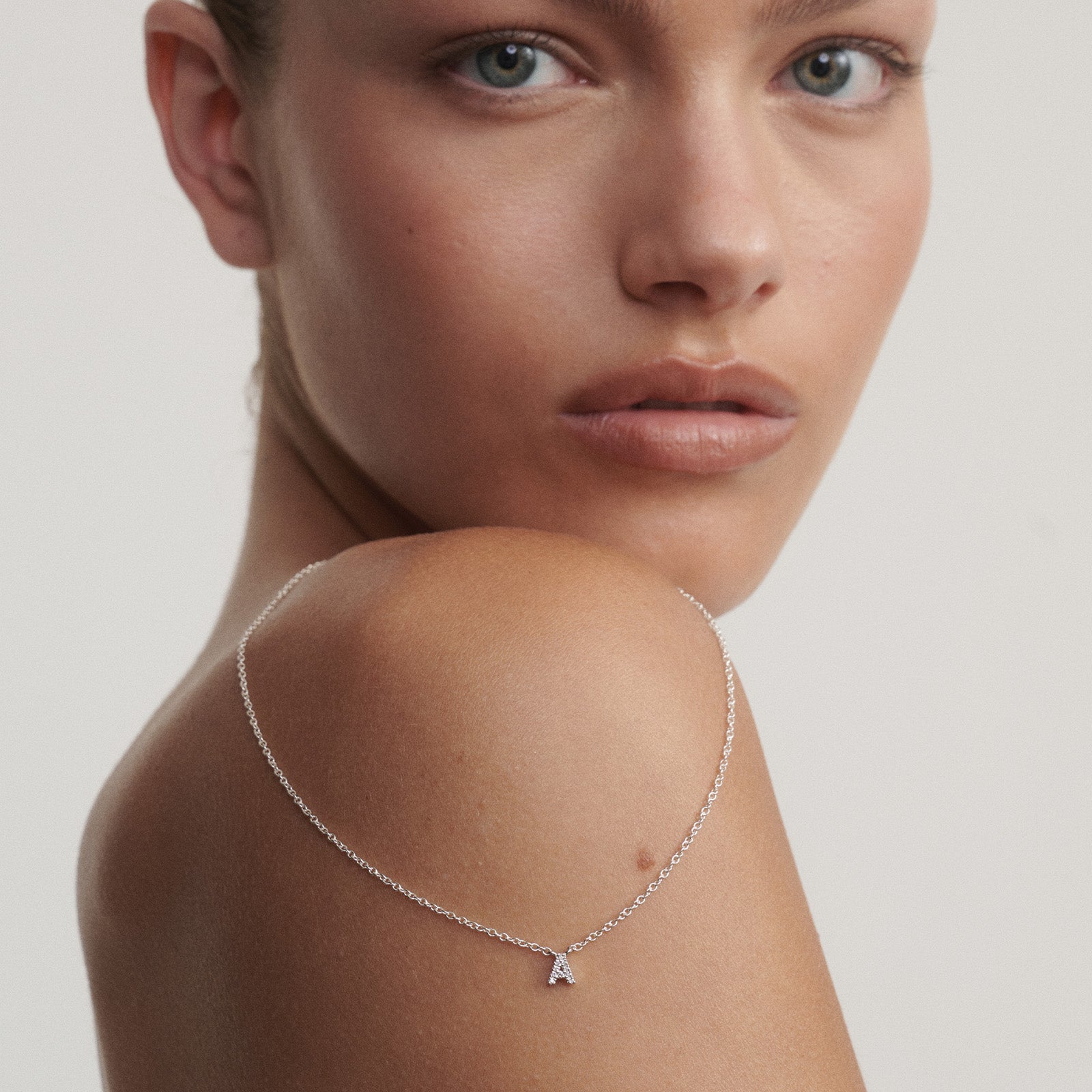
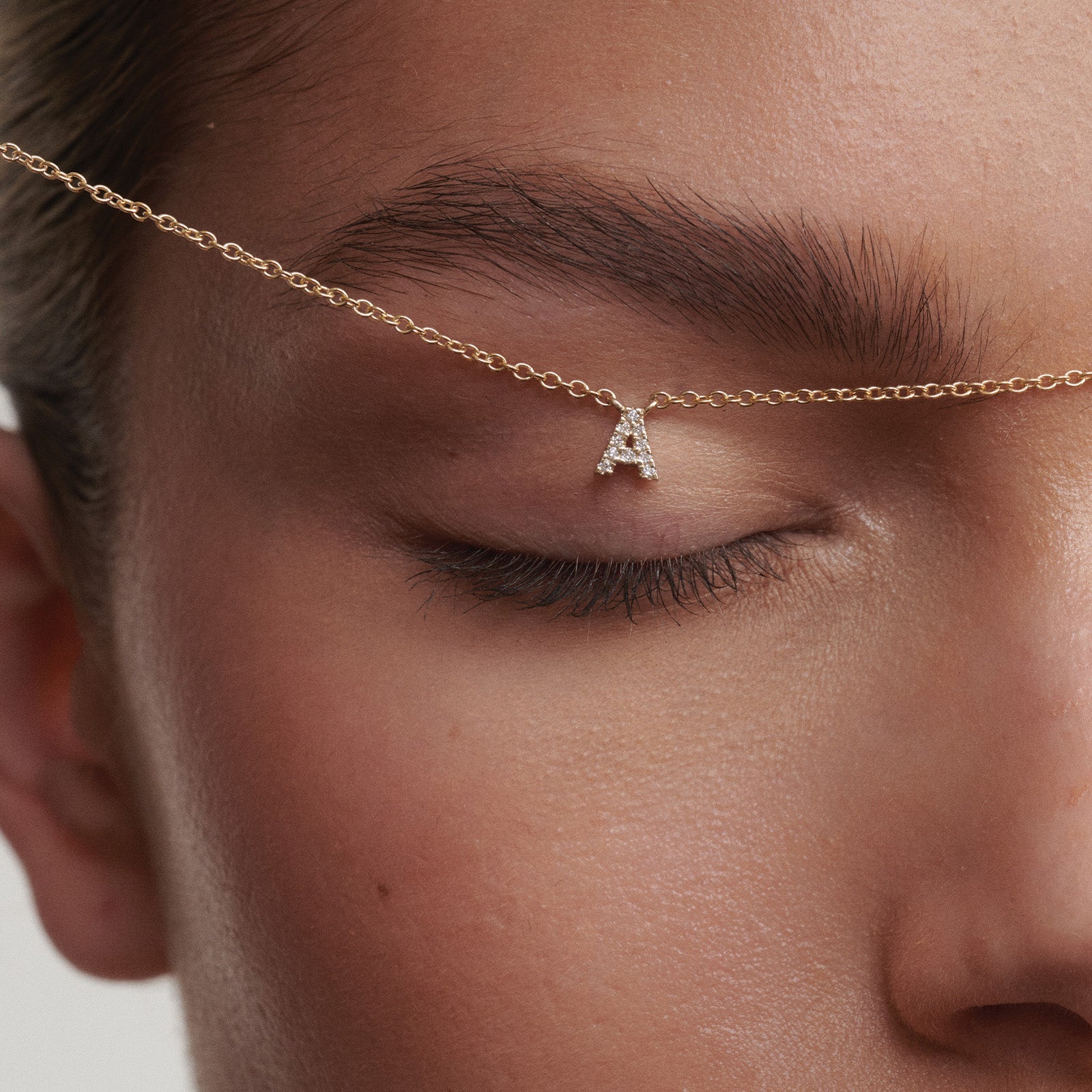
Tiny Letter Necklace Sliding CharmRegular price From $230Price on Application
-
Signature Diamond Huggies 3mm Lab-Grown Diamond EarringsSale price$1,267Regular price $1,490Price on Application
-
Arraya Ring Round Diamond Infinity RingSale priceFrom $2,117Regular price $2,490Price on Application
-
-
Clara Oval Solitaire Lab-Grown Diamond Engagement RingRegular price From $6,290Price on Application
-
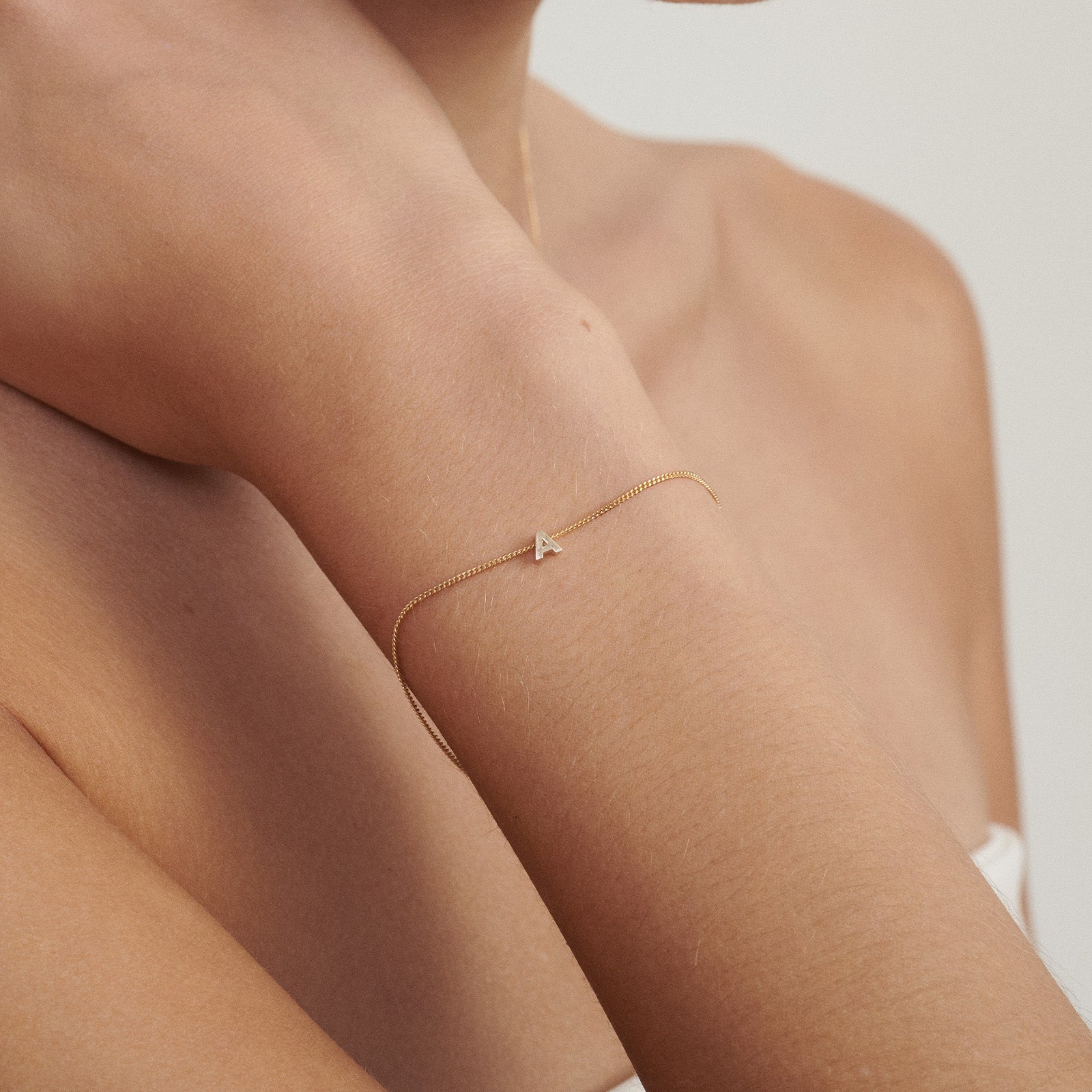
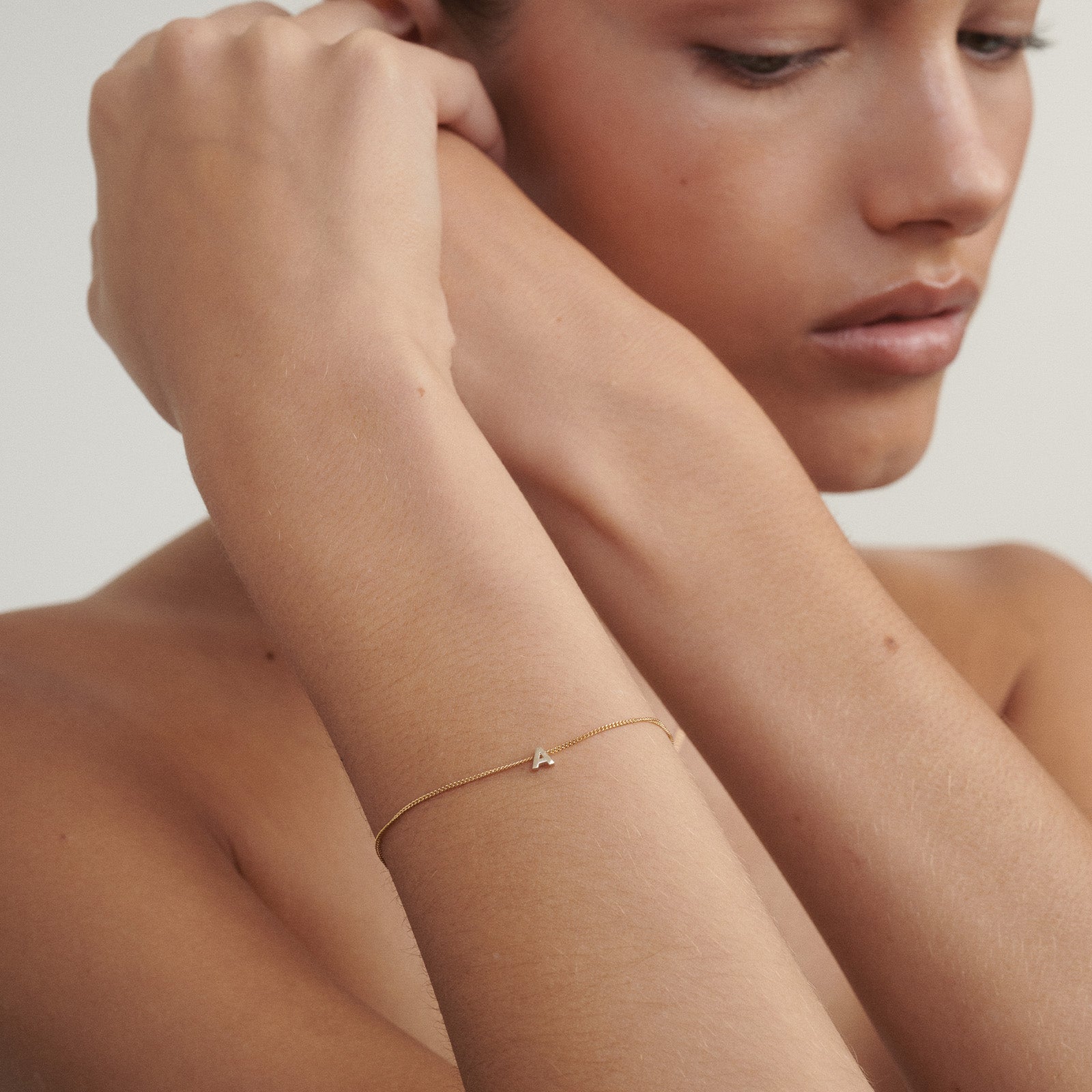
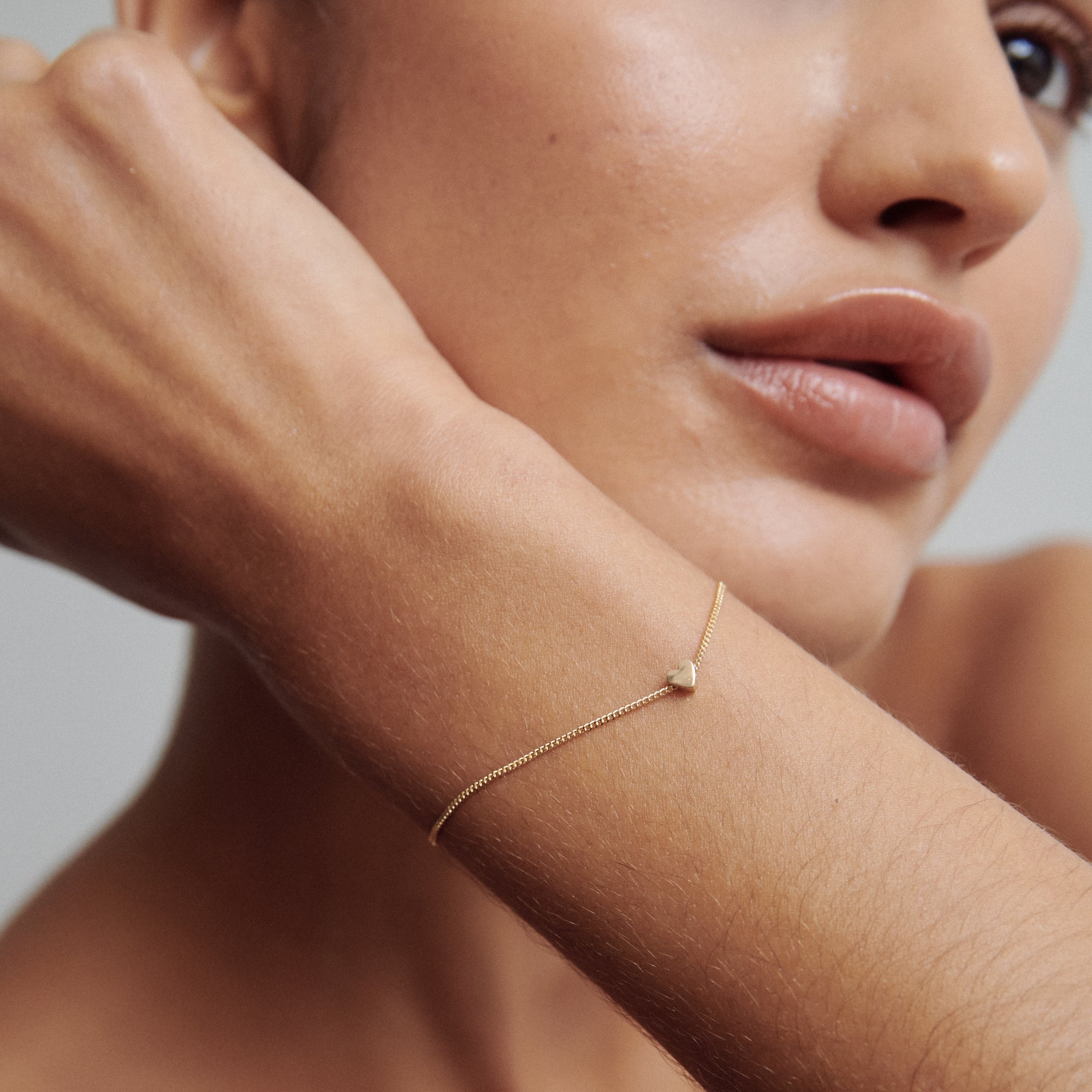
Tiny Letter Bracelet Sliding CharmRegular price From $190Price on Application
-
Diamond Letter Necklace Fixed Charm with Lab-Grown DiamondsSale priceFrom $553Regular price $650Price on Application
-
-
Tiny Pearl Hoop EarringsRegular price From $190Price on Application
-
Men's Half-Round BandRegular price From $350Price on Application
-
Tennis Bracelet Round Lab-Grown Diamond BraceletSale priceFrom $3,647Regular price $4,290Price on Application
-
Tiny Pearl NecklaceRegular price From $190Price on Application


![Close-up of a woman wearing a diamond earring. [text overlay: Signature Diamond Huggies]](http://www.kateandkole.com.au/cdn/shop/files/Kate_KoleDiamondHuggies_01.jpg?v=1778634279&width=1000)
![Close-up of a woman wearing earrings with a neutral background [text overlay: Tiny (left) and Signature (right) Diamond Huggies]](http://www.kateandkole.com.au/cdn/shop/files/KateAndKole_2026_DiamondHuggies-6.jpg?v=1778634315&width=1200)
![[text overlay: Yellow Gold, White Gold & Rose Gold Signature Diamond Huggies] [text colour: #000000]](http://www.kateandkole.com.au/cdn/shop/files/DIAMONDHUGGIES.jpg?v=1778209682&width=1700)
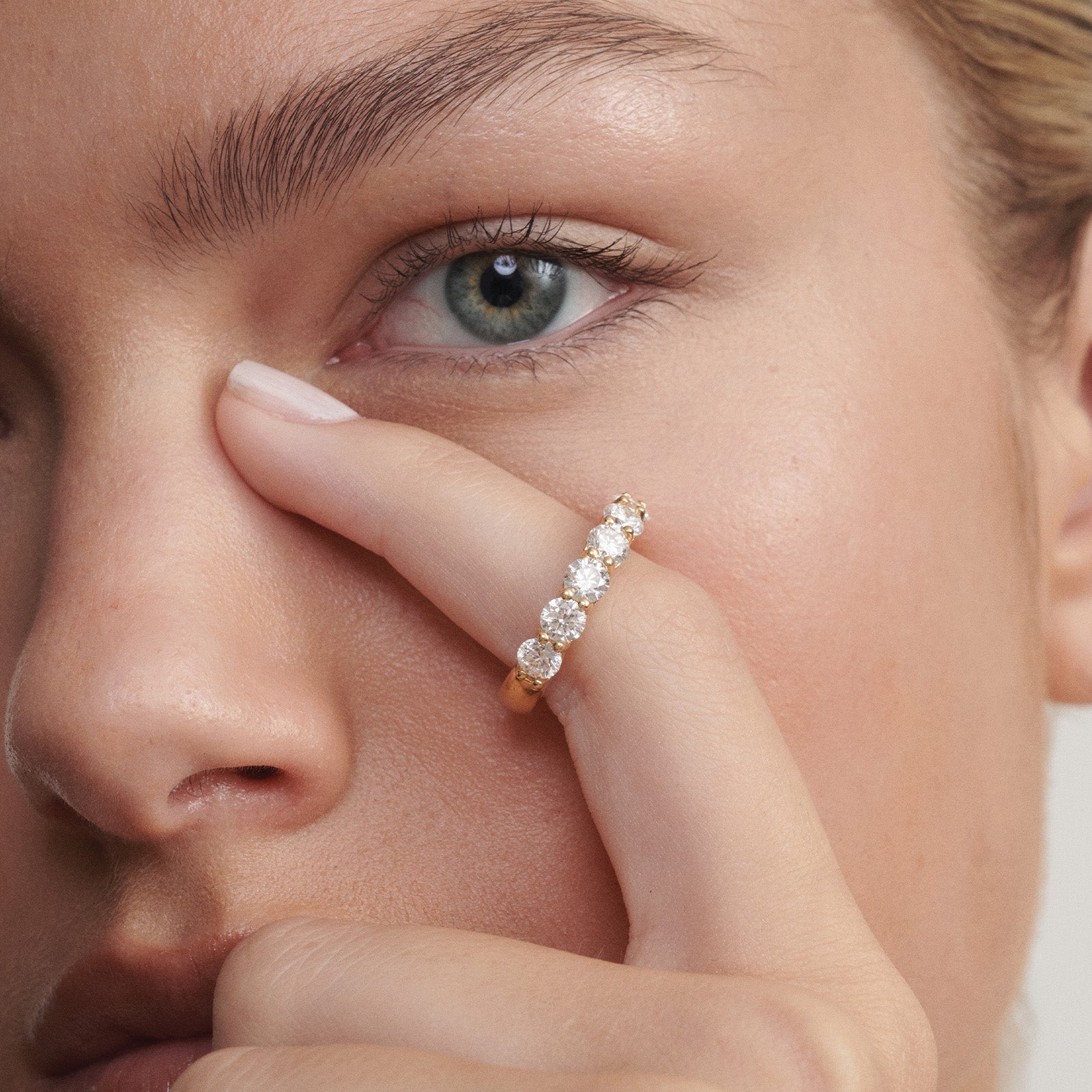
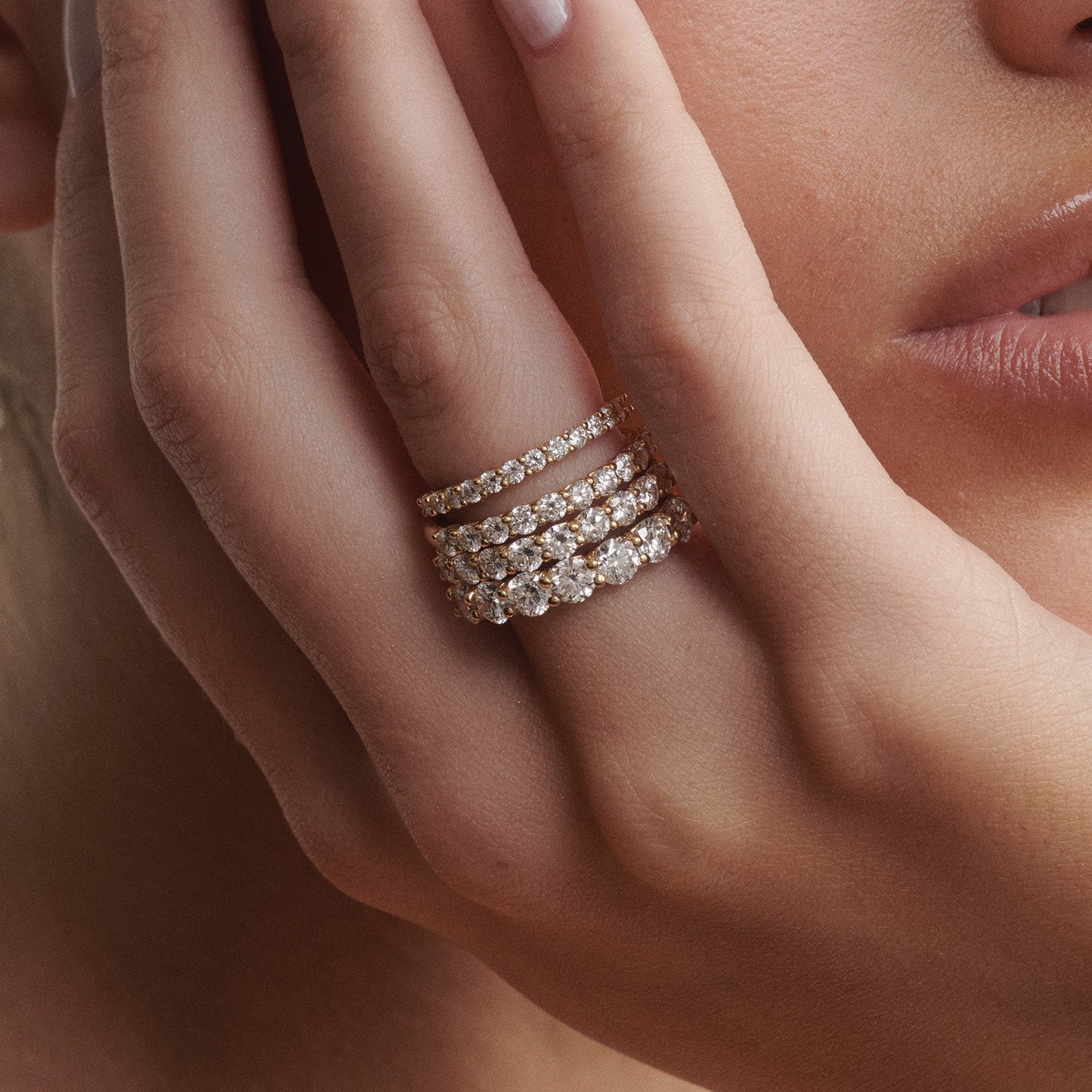


![Diamond ring on a bed of white roses
[text overlay: 2ct Diamond and Camille Diamond Band]](http://www.kateandkole.com.au/cdn/shop/files/KateandKole_DiamondPieces_2026-1.jpg?v=1771887161&width=1500)




![Our classic half-round wide wedding band is 6mm wide and 1.9mm thick. It has a polished finish in 18ct yellow gold.[text overlay: 6mm Brushed Finish in Yellow Gold]](http://www.kateandkole.com.au/cdn/shop/files/Kate___Kole_ClassicHalf-RoundWeddingRing_2023_0002.png?v=1782282078&width=960)
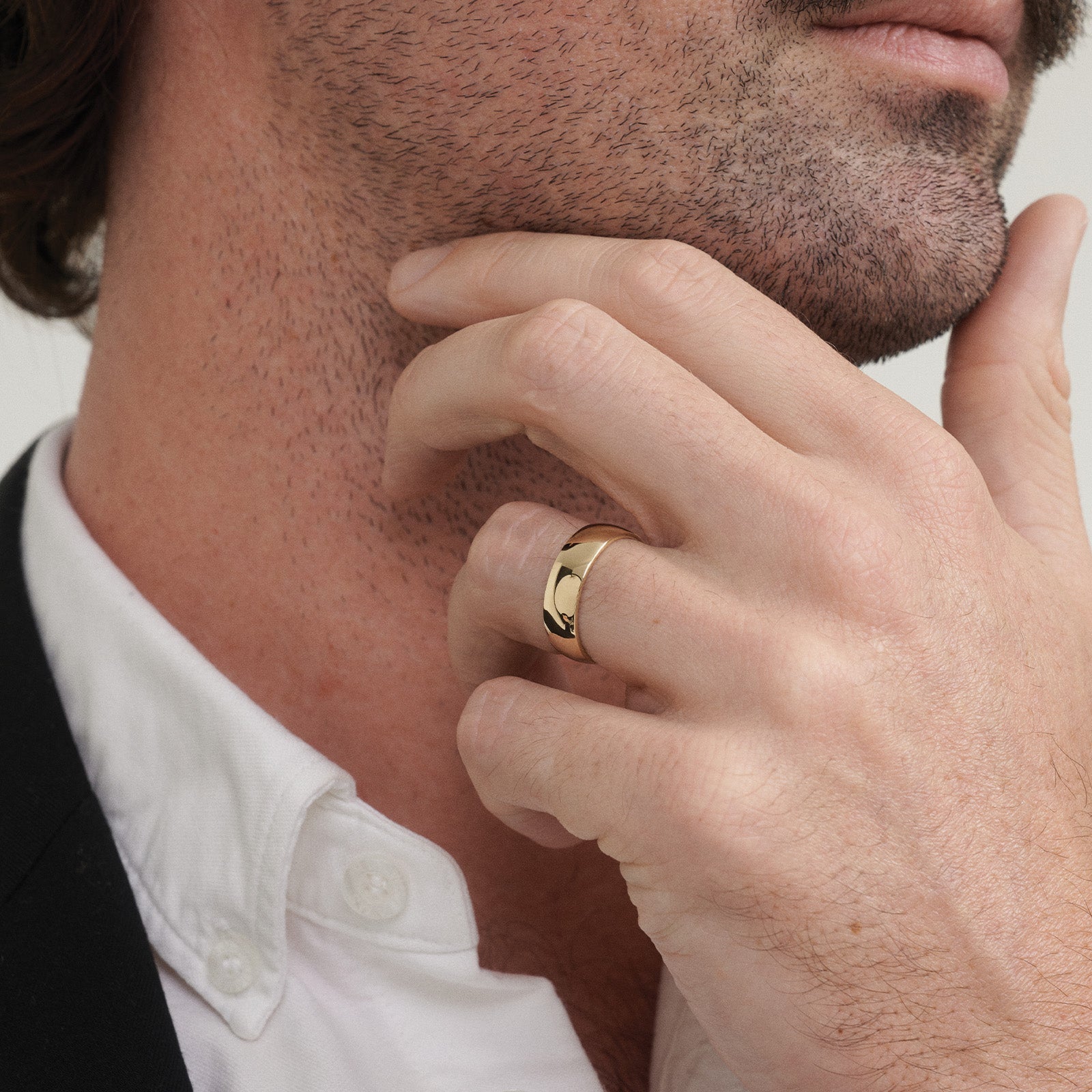
![Our classic half-round wide wedding band is 6mm wide and 1.9mm thick. It has a polished finish in 18ct yellow gold.[text overlay: 6mm Brushed Finish in Yellow Gold]](http://www.kateandkole.com.au/cdn/shop/files/Kate___Kole_ClassicHalf-RoundWeddingRing_2023_0003.jpg?v=1761869646&width=1200)
![Woman wearing an elegant diamond tennis bracelet, showcasing luxury jewellery. Natural makeup and wet-look hair enhance the sophisticated style.[text overlay: ]](http://www.kateandkole.com.au/cdn/shop/files/KellyGiddes_Alba_October0213.jpg?v=1744244170&width=2000)


![Woman wearing a gold necklace and earrings against a neutral background [text overlay: Andrea wears the Tiny Pearl Necklace & Hoops]](http://www.kateandkole.com.au/cdn/shop/files/KateandKole_TinyPearlNecklace-3.jpg?v=1776995825&width=1700)


Featured Blogs
-
Education Recycled Gold: Where Does It Actually Come From? Read more

-
Education The Kate & Kole Jewellery Glossary: Every Term You Need to Know Read more

-
Education The Ultimate Ring Sizing Guide Read more

-
Education How to Build a Jewellery Wardrobe from Scratch Read more

-
Ceremonial How to Choose a Men's Wedding Band Read more

-
Education Which Appointment Type Is Right For You? Read more


